

Hey there! As a supplier of grooving machines, I've seen firsthand the importance of safety when using these powerful tools. Grooving machines are used in a variety of industries, from manufacturing to construction, and they can be incredibly useful when operated correctly. But like any piece of equipment, they come with risks. In this blog post, I'm going to share some essential safety precautions that you should take when using a grooving machine.
Pre - operation Safety Checks
Before you even turn on the grooving machine, there are several checks you need to do. First off, inspect the machine thoroughly. Look for any signs of damage, such as cracks in the housing, loose parts, or frayed wires. If you spot anything wrong, don't use the machine until it's been repaired. For example, a loose belt can not only affect the machine's performance but also pose a serious safety hazard.
Next, check the cutting tools. Make sure they're sharp and properly installed. Dull or incorrectly installed tools can cause the machine to work harder than it should, leading to overheating and potential breakdowns. Plus, they can produce uneven cuts, which might require you to make additional passes and increase your exposure to the machine's moving parts.
Also, ensure that all the safety guards are in place and functioning correctly. Safety guards are there for a reason – they protect you from coming into contact with the moving parts of the machine. If a guard is missing or damaged, it could lead to serious injuries.
Personal Protective Equipment (PPE)
Wearing the right PPE is non - negotiable when using a grooving machine. Start with safety glasses. Small chips and debris can fly off the workpiece during the grooving process, and these can cause serious eye injuries. So, always put on a pair of well - fitting safety glasses before you start the machine.
Ear protection is also important. Grooving machines can be quite noisy, and long - term exposure to high - decibel noise can lead to hearing loss. Whether it's earplugs or earmuffs, make sure you've got some form of ear protection on.
Gloves are a must - have, too. They protect your hands from cuts and abrasions. However, be careful not to wear loose - fitting gloves as they could get caught in the machine's moving parts.
In addition to these, wearing appropriate footwear is advisable. Steel - toed boots can protect your feet from falling objects or accidental impacts.
Operating the Grooving Machine
When you're operating the grooving machine, there are some key things to keep in mind. First, never leave the machine unattended while it's running. Even if it's just for a few seconds, anything can happen in that time. Machinery can malfunction, and if there's no one around to stop it, it could cause significant damage or injury.
Keep your hands and fingers away from the cutting area. Use push sticks or other appropriate tools to feed the workpiece into the machine. This reduces the risk of your fingers getting caught in the cutting tools.
Don't force the workpiece through the machine. Let the grooving machine do its job at its own pace. Trying to force it can cause the tools to break, and the workpiece might be thrown out of the machine, endangering you and those around you.
Maintenance and Cleaning
Regular maintenance is crucial for the safe operation of a grooving machine. Follow the manufacturer's maintenance schedule carefully. This includes things like lubricating moving parts, checking the alignment of the cutting tools, and tightening loose bolts and nuts.
When it comes to cleaning, make sure the machine is turned off and unplugged before you start. Remove any debris or chips from the cutting area and the worktable. A clean machine not only operates more efficiently but is also safer to use.
Training and Competence
Make sure that anyone who operates the grooving machine has received proper training. Training should cover not only how to operate the machine but also all the safety procedures. An untrained operator is more likely to make mistakes that could lead to accidents.
It's also important to stay updated on any new safety guidelines or best practices. The industry is always evolving, and new safety features and procedures are being developed all the time.
Special Considerations for Cylindrical Battery Grooving Machine
If you're specifically dealing with a Cylindrical Battery Grooving Machine, there are some additional safety issues to consider. These machines are used in the production of cylindrical batteries, and they deal with delicate materials and precise operations.
First, be aware of the chemical risks associated with battery production. Some battery components can be toxic or flammable. Make sure you have proper ventilation in the working area to prevent the accumulation of harmful fumes.
When handling battery cells, be gentle. Rough handling can damage the cells and potentially cause short - circuits or even explosions. Follow the manufacturer's guidelines for loading and unloading the cells into the grooving machine.
Emergency Preparedness
Even if you follow all the safety precautions, emergencies can still happen. So, it's important to be prepared. Have a first - aid kit readily available in the working area. Make sure that at least one person on - site is trained in first - aid procedures.

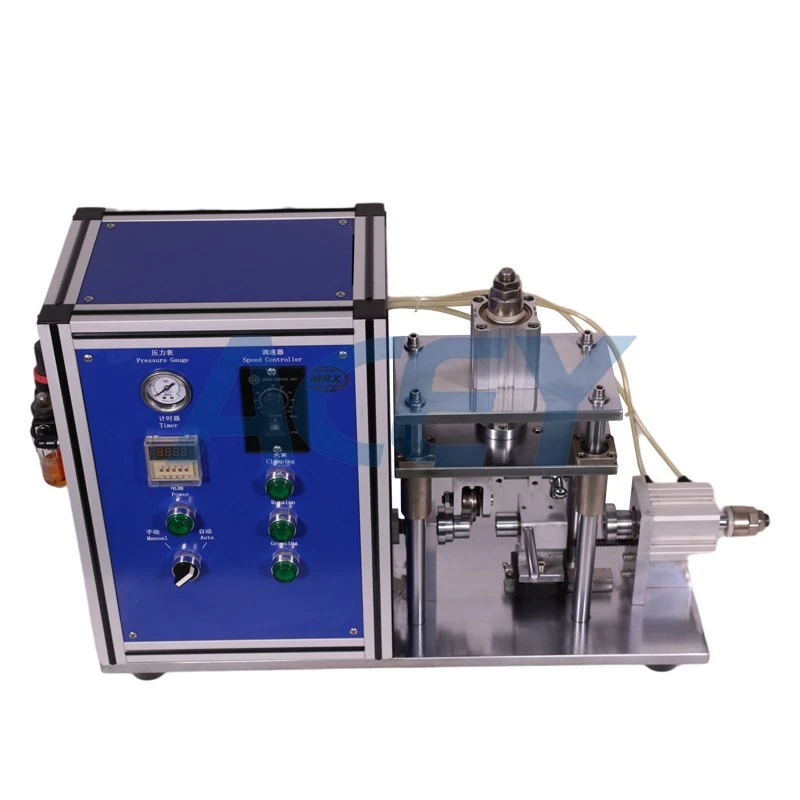
Know the location of the emergency stop button on the grooving machine. In case of an emergency, you should be able to shut off the machine immediately. Also, have an evacuation plan in place, especially if there are potential hazards like chemical spills or fires.
Conclusion
Using a grooving machine doesn't have to be dangerous if you take the right safety precautions. From pre - operation checks and wearing the right PPE to proper operation, maintenance, and emergency preparedness, every step is important. And if you're in the market for a reliable grooving machine, especially a Cylindrical Battery Grooving Machine, we've got you covered. If you're interested in our products or have any questions about the safety of using grooving machines, feel free to reach out. We're here to help you make the best choice for your business.
References
- Manufacturer's manuals for grooving machines
- Industry safety standards and guidelines
- Safety training materials for machinery operation