

When it comes to battery cell testers, one of the most frequently asked questions is: What is the maximum voltage a battery cell tester can measure? As a leading supplier of battery cell testers, I'm here to shed light on this crucial topic and provide you with in - depth insights.

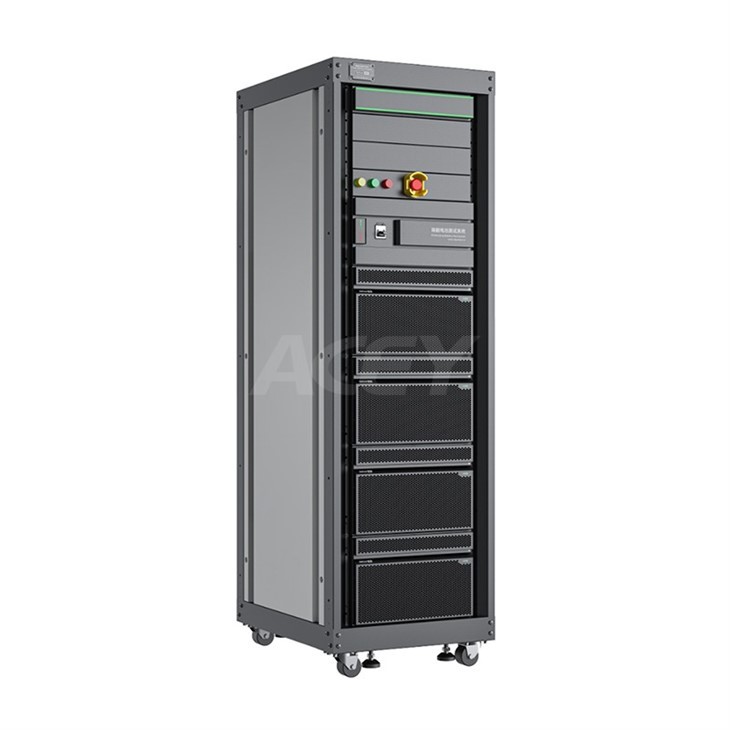
Understanding the Basics of Battery Cell Testers
Battery cell testers are essential tools in the battery industry. They are used to measure various parameters of battery cells, such as voltage, current, capacity, and internal resistance. These measurements are vital for ensuring the quality, safety, and performance of batteries. The maximum voltage a battery cell tester can measure is a key specification that determines its applicability in different scenarios.
Factors Influencing the Maximum Measurable Voltage
Several factors influence the maximum voltage a battery cell tester can handle. Firstly, the design and construction of the tester play a significant role. High - quality components and advanced circuit designs are required to measure high voltages accurately and safely. For example, the internal resistors, amplifiers, and isolation circuits need to be rated for the maximum voltage the tester is designed to measure.
Secondly, the intended application of the battery cell tester also affects its maximum voltage rating. Testers used for small consumer batteries, such as those in mobile phones or laptops, may have a relatively low maximum voltage rating, typically in the range of a few volts. On the other hand, testers used for large - scale energy storage systems or electric vehicle batteries need to be able to measure much higher voltages, sometimes up to hundreds of volts.
Common Maximum Voltage Ratings in the Market
In the market, battery cell testers come with a wide range of maximum voltage ratings. For basic testers used for small - scale battery testing, the maximum voltage may be around 6V to 12V. These testers are suitable for testing single - cell or small multi - cell batteries commonly found in consumer electronics.
As we move up to more advanced testers, the maximum voltage rating can increase significantly. Some industrial - grade battery cell testers can measure voltages up to 100V or even higher. These high - voltage testers are used in applications such as electric vehicle battery testing, where the battery packs can have voltages in the range of 200V - 800V.
Our Product Range and Maximum Voltage Capabilities
At our company, we offer a diverse range of battery cell testers to meet the needs of different customers. Our product lineup includes testers with various maximum voltage ratings.
For example, our 6V 500A Lithium Cell Testing Machine is designed for testing lithium cells with a maximum voltage of 6V. This tester is ideal for small - scale battery manufacturers or research institutions working on lithium - based battery technologies. It provides accurate and reliable measurements of voltage, current, and capacity, allowing users to evaluate the performance of their battery cells effectively.
Another popular product is our 6V 300A Lithium Ion Battery Cycler Tester. This tester also has a maximum voltage rating of 6V and is specifically designed for cycling tests of lithium - ion batteries. It can simulate different charging and discharging conditions, helping users to study the life cycle and performance degradation of the batteries.
If you are looking for a more compact solution for Li - ion battery life cycle testing, our 6V 40A Li - Ion Battery Life Cycle Tester is a great choice. With a maximum voltage of 6V, it can accurately measure the voltage and capacity of Li - ion batteries during the charging and discharging process.
Safety Considerations for High - Voltage Testing
When dealing with battery cell testers that can measure high voltages, safety is of utmost importance. High - voltage testing can pose significant risks, including electric shock, fire, and explosion. Therefore, our battery cell testers are equipped with multiple safety features.
For example, they have over - voltage protection circuits that can automatically shut down the tester if the measured voltage exceeds the maximum rated value. They also have isolation transformers and grounding systems to prevent electric shock hazards. Additionally, our testers are designed to meet strict safety standards and regulations, ensuring the safety of the users and the equipment.
Choosing the Right Battery Cell Tester Based on Maximum Voltage
When selecting a battery cell tester, it is crucial to choose one with the appropriate maximum voltage rating for your specific application. If you are testing small - voltage batteries, a tester with a lower maximum voltage rating will be sufficient and more cost - effective. However, if you are working with high - voltage battery systems, you need to invest in a tester with a higher maximum voltage rating to ensure accurate and safe testing.
It is also important to consider other factors such as the accuracy of the measurements, the number of channels (if multiple cells need to be tested simultaneously), and the software interface for data analysis.
Conclusion
In conclusion, the maximum voltage a battery cell tester can measure is a critical specification that depends on various factors, including the design, application, and market demand. As a supplier of battery cell testers, we offer a wide range of products with different maximum voltage ratings to meet the diverse needs of our customers. Whether you are a small - scale battery manufacturer, a research institution, or an industrial user, we have the right tester for you.
If you are interested in our battery cell testers or have any questions about the maximum voltage ratings and other specifications, please feel free to contact us for procurement and further discussions. We are committed to providing you with high - quality products and excellent customer service.
References
- Battery Testing Handbook, published by Battery Technology Press.
- Standards for Battery Testing Equipment, issued by the International Electrotechnical Commission (IEC).