

In the dynamic world of industrial filtration, slurry filters play a pivotal role across a multitude of sectors. From the stringent demands of chemical processing to the delicately balanced battery manufacturing industry, ensuring worker safety and process integrity is non - negotiable. As a leading slurry filter supplier, we understand that modern slurry filters are equipped with a comprehensive set of safety features that not only protect operators but also enhance the overall efficiency and reliability of the filtration process.
1. Pressure Relief Systems
One of the fundamental safety mechanisms in modern slurry filters is the pressure relief system. Slurry filtration often involves the application of high pressure to separate solids from liquids. However, an uncontrolled increase in pressure can lead to catastrophic failures, such as ruptured filter chambers or exploding valves.
Pressure relief valves are strategically installed in the filter system to automatically release excess pressure when it exceeds a pre - set limit. These valves are designed to open quickly and safely divert the pressurized fluid to a designated discharge area. For instance, in a diaphragm filter press, the pressure relief valve ensures that the pressure within the filter chambers does not build up to a dangerous level during the filtration and squeezing phases. This not only protects the equipment from damage but also prevents potential injuries to nearby operators.
In addition to pressure relief valves, some advanced slurry filters are equipped with pressure sensors and monitoring systems. These sensors continuously measure the pressure within the filter and send real - time data to a control panel. If the pressure deviates from the normal operating range, an alarm is triggered, allowing operators to take immediate corrective actions.
2. Emergency Stop Buttons
Emergency stop buttons are another essential safety feature in modern slurry filters. These brightly colored buttons are easily accessible and located in prominent positions around the filter equipment. In case of an emergency, such as a sudden malfunction, a worker entrapment, or a fire, operators can quickly press the emergency stop button to immediately halt all operations.
The emergency stop function cuts off the power supply to the motor, pumps, and other critical components of the slurry filter. This rapid shutdown helps to prevent further damage to the equipment and reduces the risk of serious injuries. Moreover, modern emergency stop systems are designed to be fail - safe, meaning that they will remain in the stopped position until the cause of the emergency has been resolved and the system is reset by a qualified technician.
3. Safety Guards and Enclosures
Physical protection in the form of safety guards and enclosures is a key safety feature. Many moving parts, such as conveyor belts, motor shafts, and rotating impellers, are present in a slurry filter system. Without proper guarding, these parts can pose a significant hazard to operators, including the risk of entanglement, crushing, or laceration.
Safety guards are made of sturdy materials such as metal or plastic and are designed to prevent operators from coming into contact with the moving parts. They are installed around the perimeter of the equipment and are often equipped with interlocking mechanisms. These interlocks ensure that the equipment cannot be operated if the guards are opened or removed, providing an additional layer of safety.
Enclosures are used to contain dust, fumes, and other hazardous substances that may be generated during the filtration process. For example, in a chemical slurry filtration application, an enclosure can prevent the release of toxic chemicals into the surrounding environment. This not only protects the health of operators but also helps companies comply with environmental regulations.
4. Over - temperature Protection
Over - heating can be a serious issue in slurry filters, especially in systems where high - powered motors and pumps are used. Excessive heat can damage the equipment, reduce its lifespan, and even pose a fire hazard. To prevent over - temperature conditions, modern slurry filters are equipped with over - temperature protection devices.
Thermal sensors are installed on critical components such as motors, pump bearings, and hydraulic systems. These sensors continuously monitor the temperature and send signals to the control system. If the temperature exceeds a safe limit, the control system will automatically shut down the affected component or the entire filter system. This prevents damage to the equipment and reduces the risk of fire.
Some advanced slurry filters also feature cooling systems to dissipate heat more effectively. For example, water - cooled motors and heat exchangers can be used to maintain a stable operating temperature, ensuring the long - term reliability and safety of the filtration process.
5. Automatic Shutdown in Case of Leakage
Slurry filtration often involves the handling of corrosive, toxic, or flammable liquids. A leak in the system can not only contaminate the environment but also pose a serious risk to the health and safety of operators. Modern slurry filters are designed with automatic shutdown features in case of leakage.
Leak detection sensors are installed at various points in the filter system, such as at the joints, valves, and filter chambers. These sensors can detect even small amounts of leakage and trigger an immediate shutdown of the filtration process. The system may also activate an alarm to alert operators to the presence of a leak.
Once the system has shut down, operators can then safely identify and repair the source of the leakage. This proactive approach to leakage management helps to prevent serious accidents and minimizes the impact on the environment.
6. Electrical Safety
Electrical safety is of utmost importance in any industrial equipment, including slurry filters. Modern slurry filters are built with multiple electrical safety features to protect operators from electrical shocks and short - circuits.
Ground fault circuit interrupters (GFCIs) are commonly used in slurry filter electrical systems. GFCIs continuously monitor the electrical current flowing through the system and can quickly detect any imbalances that may indicate a ground fault. If a ground fault is detected, the GFCI will automatically shut off the power supply within milliseconds, preventing serious electrical injuries.
In addition, all electrical components are properly insulated to prevent accidental contact with live wires. Electrical enclosures are designed to be dust - tight and waterproof, protecting the internal components from damage and ensuring the safety of operators.
7. User - friendly Control Interfaces with Safety Warnings
Today's slurry filters are equipped with user - friendly control interfaces that provide clear and intuitive instructions to operators. These interfaces often include safety warnings and alerts to remind operators of potential hazards and proper operating procedures.
For example, the control panel may display warnings when the filter needs to be cleaned, when the pressure is approaching the limit, or when a component is malfunctioning. These warnings are presented in a prominent and easily understandable manner, such as through visual indicators and audible alarms.

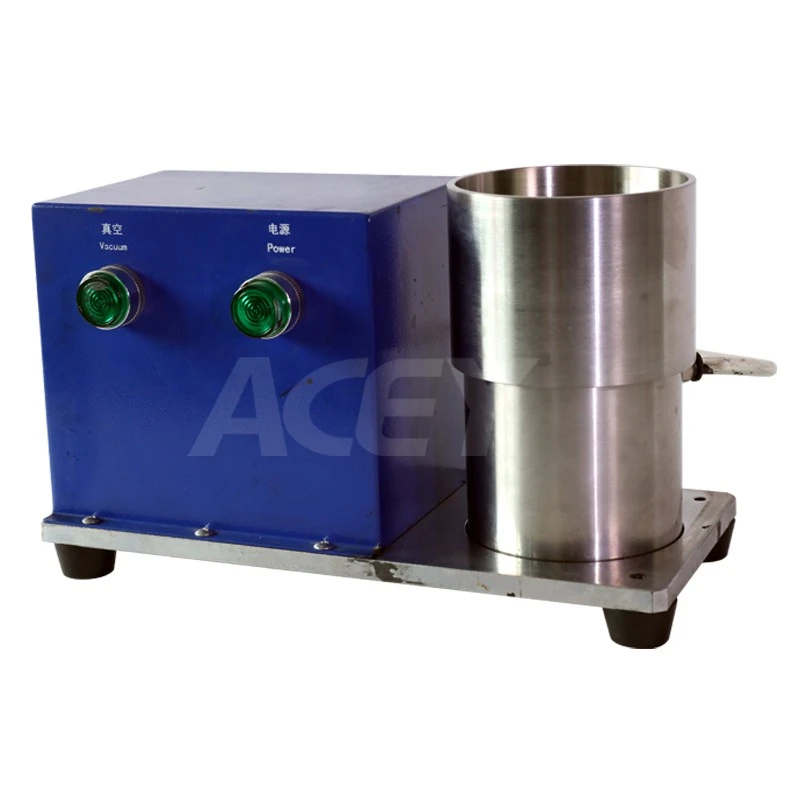
Furthermore, the control interfaces are designed to be password - protected, so that only authorized personnel can operate the filter system. This helps to prevent unauthorized use and ensures that only trained operators are working with the equipment.
8. Flame - proof Design for Hazardous Environments
In some industries, such as the oil and gas or chemical industries, slurry filters may be used in hazardous environments where there is a risk of fire or explosion. For these applications, modern slurry filters can be designed with a flame - proof enclosure.
A flame - proof enclosure is constructed to withstand an internal explosion without allowing the flames or hot gases to escape to the surrounding environment. The enclosure is made of strong materials and is designed with special seals and gaskets to prevent the passage of explosive mixtures. This type of design ensures the safety of the equipment and the operators in potentially explosive atmospheres.
Conclusion
As a slurry filter supplier, we are committed to providing our customers with slurry filters that incorporate the latest safety features. These safety features not only protect the well - being of operators but also contribute to the long - term reliability and efficiency of the filtration process. Whether it's for a standard industrial application or a specialized use in a hazardous environment, our modern slurry filters are designed to meet the highest safety standards.
If you are in the market for a slurry filter, consider exploring our Battery Slurry Filter which combines advanced technology with robust safety features. We encourage you to reach out to us to discuss your specific requirements and start a procurement negotiation. Our team of experts is ready to assist you in finding the perfect slurry filter solution for your business.
References
- "Industrial Filtration Handbook" by Peter A. Schweitzer, McGraw - Hill
- "Safety Standards for Industrial Machinery" by International Organization for Standardization
- Manufacturer's manuals and technical documentation for slurry filters.