

Hey there! As a supplier of prismatic cell testers, I often get asked if our testers can be used in harsh environments. It's a crucial question, especially for industries like automotive, aerospace, and renewable energy, where conditions can get pretty tough.
Let's start by defining what we mean by a "harsh environment." Harsh environments can vary widely, but typically they involve extreme temperatures, high humidity, dust, dirt, vibrations, and even exposure to chemicals. These conditions can take a toll on electronic equipment, and prismatic cell testers are no exception.
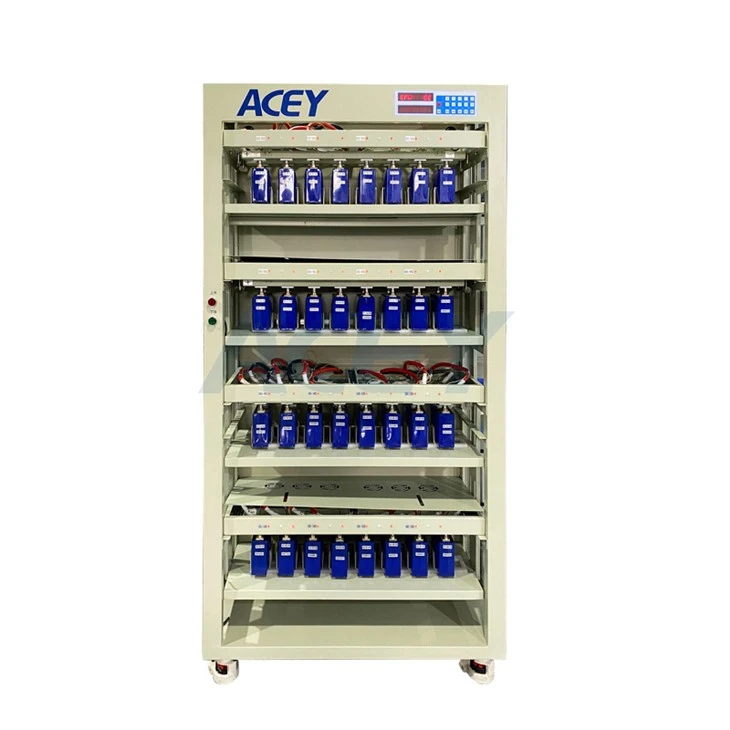

Temperature Extremes
One of the most common challenges in harsh environments is extreme temperatures. Whether it's the scorching heat of a desert or the freezing cold of a polar region, temperature can have a significant impact on the performance of a prismatic cell tester.
At high temperatures, the internal components of the tester can overheat, leading to reduced accuracy and even permanent damage. On the other hand, low temperatures can cause the battery cells being tested to perform differently, affecting the test results.
But here's the good news: Our prismatic cell testers are designed to withstand a wide range of temperatures. We use high-quality components that are rated for extreme temperatures, and we incorporate advanced thermal management systems to keep the internal temperature of the tester within a safe operating range.
For example, our Thermostatic Lifepo4 Battery Capacity Tester features a built-in thermostatic control system that maintains a stable temperature during testing. This ensures accurate and reliable results, even in extreme heat or cold.
Humidity and Moisture
Humidity and moisture are another major concern in harsh environments. High humidity levels can cause corrosion and short circuits in electronic equipment, while moisture can damage the internal components of the tester.
To protect our prismatic cell testers from humidity and moisture, we use a combination of sealed enclosures and moisture-resistant materials. Our testers are designed to be IP-rated, which means they are protected against the ingress of dust and water.
In addition, we conduct extensive testing in high-humidity environments to ensure that our testers can withstand the rigors of real-world conditions. We also recommend regular maintenance and inspections to prevent any potential issues caused by humidity and moisture.
Dust and Dirt
Dust and dirt can accumulate on the internal components of a prismatic cell tester, clogging fans and vents, and causing overheating. In addition, dust and dirt can also damage the electrical contacts and sensors, leading to inaccurate test results.
To prevent dust and dirt from entering our testers, we use sealed enclosures and high-efficiency air filters. Our testers are also designed to be easy to clean, with removable covers and access panels.
We recommend regular cleaning and maintenance of the testers to keep them free from dust and dirt. This can help to extend the lifespan of the tester and ensure accurate and reliable performance.
Vibrations and Shock
In some harsh environments, prismatic cell testers may be exposed to vibrations and shock. This can occur during transportation, installation, or operation, and can cause damage to the internal components of the tester.
To protect our testers from vibrations and shock, we use shock-absorbing materials and vibration-damping mounts. Our testers are also designed to be rugged and durable, with reinforced enclosures and components.
In addition, we conduct extensive testing to ensure that our testers can withstand the vibrations and shock that are common in harsh environments. This includes testing on vibration tables and drop tests to simulate real-world conditions.
Chemical Exposure
In some industries, prismatic cell testers may be exposed to chemicals, such as acids, bases, and solvents. These chemicals can cause corrosion and damage to the internal components of the tester, leading to reduced accuracy and even permanent damage.
To protect our testers from chemical exposure, we use chemical-resistant materials and coatings. Our testers are also designed to be sealed and protected against the ingress of chemicals.
In addition, we recommend regular cleaning and maintenance of the testers to remove any chemical residues that may have accumulated on the surface. This can help to prevent corrosion and damage to the internal components of the tester.
Can Our Prismatic Cell Testers Be Used in Harsh Environments?
So, to answer the question: Yes, our prismatic cell testers can be used in harsh environments. We have designed and tested our testers to withstand the rigors of extreme temperatures, high humidity, dust, dirt, vibrations, and chemical exposure.
Our Lithium Ion Battery Testing Equipment and Lithium Battery Testing Equipment are built with high-quality components and advanced technologies to ensure accurate and reliable performance, even in the toughest conditions.
However, it's important to note that while our testers are designed to withstand harsh environments, proper installation, maintenance, and care are still required. This includes following the manufacturer's instructions for installation and operation, as well as regular cleaning and maintenance to ensure optimal performance.
Conclusion
In conclusion, if you're looking for a prismatic cell tester that can be used in harsh environments, look no further. Our testers are designed and built to withstand the toughest conditions, and we offer a range of models and features to meet your specific needs.
If you have any questions or would like to learn more about our prismatic cell testers, please don't hesitate to contact us. We're here to help you find the right solution for your battery testing needs, and we're committed to providing you with the highest level of customer service and support.
Let's work together to ensure the reliability and performance of your battery systems in even the most challenging environments. Contact us today to start the conversation about your procurement needs.
References
- Battery Testing Handbook: Best Practices for Accurate Results
- Electronic Equipment Design for Harsh Environments
- Standards for Battery Testing Equipment in Industrial Applications