

In the dynamic landscape of battery technology, the demand for efficient and advanced cell testers has been on a steady rise. As a leading supplier of cell testers, we are constantly at the forefront of innovation, striving to meet the evolving needs of our customers. One of the most pressing questions in the industry today is whether there are cell testers with wireless connectivity. In this blog, we will explore this topic in depth, shedding light on the current state of wireless cell testers and their potential impact on the battery testing process.
The Need for Wireless Connectivity in Cell Testers
Traditional cell testers have long relied on wired connections to transmit data between the tester and the device under test (DUT). While these connections have served their purpose, they come with several limitations. Wired connections can be cumbersome, especially when dealing with multiple DUTs or in environments where mobility is required. They also introduce the risk of cable damage, which can lead to data loss or inaccurate test results.
Wireless connectivity offers a solution to these challenges. By eliminating the need for physical cables, wireless cell testers provide greater flexibility and convenience. They allow for easy setup and reconfiguration, making them ideal for testing multiple DUTs simultaneously. Additionally, wireless connectivity enables real-time data transfer, allowing users to monitor and analyze test results remotely. This is particularly useful in applications where continuous monitoring is required, such as in battery research and development or quality control.

Current State of Wireless Cell Testers
The market for wireless cell testers is still in its early stages, but it is growing rapidly. Several companies have already introduced wireless cell testers to the market, offering a range of features and capabilities. These testers typically use wireless communication protocols such as Wi-Fi, Bluetooth, or Zigbee to transmit data between the tester and the DUT.
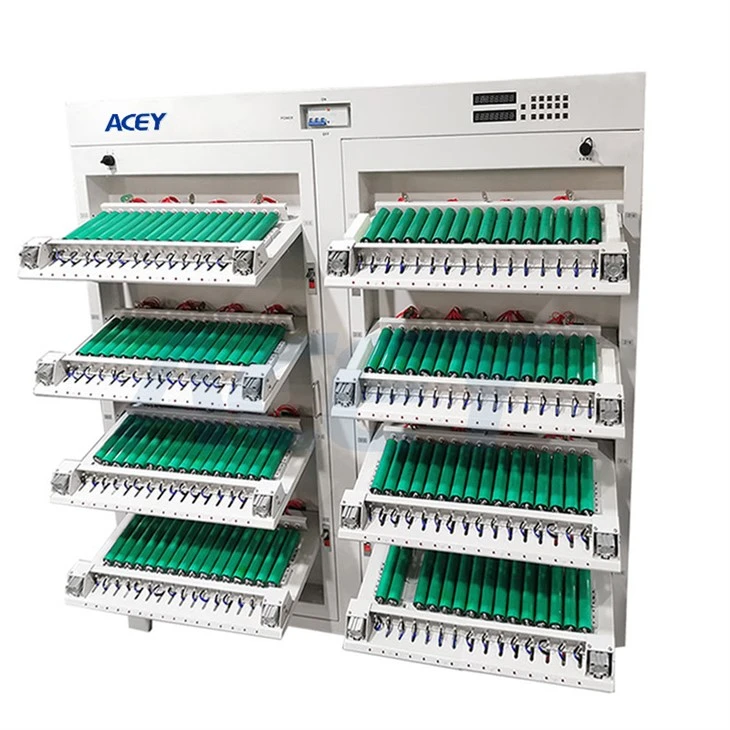
One of the key advantages of wireless cell testers is their ability to support multiple DUTs. Some testers can simultaneously test up to 32 DUTs, providing a significant increase in testing efficiency. They also offer a high level of accuracy and precision, ensuring reliable test results. Additionally, many wireless cell testers come with advanced software that allows users to easily configure and control the testing process.
Benefits of Wireless Cell Testers
The benefits of wireless cell testers extend beyond convenience and flexibility. They also offer several technical advantages that make them a valuable tool in the battery testing process.
- Improved Safety: Wireless cell testers eliminate the risk of electrical shock and short circuits associated with wired connections. This makes them safer to use, especially in high-voltage applications.
- Enhanced Data Security: Wireless communication protocols use encryption to protect data transmission, ensuring that sensitive information remains secure. This is particularly important in applications where data privacy is a concern.
- Reduced Maintenance: Without the need for physical cables, wireless cell testers require less maintenance. There is no risk of cable damage or wear and tear, which can reduce downtime and maintenance costs.
- Scalability: Wireless cell testers can easily be scaled up or down to meet the changing needs of the user. This makes them a cost-effective solution for both small and large-scale testing applications.
Applications of Wireless Cell Testers
Wireless cell testers have a wide range of applications in the battery industry. They are commonly used in battery research and development, quality control, and production testing.
- Battery Research and Development: In battery research and development, wireless cell testers are used to study the performance and behavior of different battery chemistries. They allow researchers to monitor and analyze battery parameters in real-time, providing valuable insights into battery performance and degradation.
- Quality Control: Wireless cell testers are also used in quality control to ensure that batteries meet the required standards and specifications. They can be used to test batteries at various stages of the production process, from raw materials to finished products.
- Production Testing: In production testing, wireless cell testers are used to quickly and efficiently test large numbers of batteries. They can be integrated into automated production lines, allowing for seamless testing and quality control.
Our Wireless Cell Testers
As a leading supplier of cell testers, we offer a range of wireless cell testers that are designed to meet the needs of our customers. Our testers are equipped with the latest wireless communication technologies, ensuring reliable and secure data transfer. They also offer a high level of accuracy and precision, providing reliable test results.
One of our popular products is the Battery Charging Discharging Machine. This machine is capable of charging and discharging batteries at a high rate, making it ideal for testing high-capacity batteries. It also features a wireless communication interface, allowing for easy data transfer and remote monitoring.
Another product in our lineup is the Battery Charge and Discharge Machine. This machine is designed for precise control of battery charging and discharging processes. It offers a wide range of charging and discharging modes, allowing users to customize the testing process according to their specific requirements.
We also offer the Li-Ion Battery Cycle Tester, which is specifically designed for testing lithium-ion batteries. This tester can perform multiple charge-discharge cycles, simulating real-world usage conditions. It also provides detailed information about battery performance and degradation, helping users to optimize battery design and usage.
Conclusion
In conclusion, wireless cell testers offer a range of benefits that make them a valuable tool in the battery testing process. They provide greater flexibility, convenience, and safety, while also improving data security and reducing maintenance costs. As the demand for more efficient and advanced battery testing solutions continues to grow, we expect to see an increasing adoption of wireless cell testers in the industry.
If you are interested in learning more about our wireless cell testers or have any questions about battery testing, please do not hesitate to contact us. Our team of experts is always ready to assist you in finding the right solution for your needs. We look forward to the opportunity to work with you and help you achieve your battery testing goals.
References
- Smith, J. (2020). The Future of Battery Testing: Wireless Connectivity. Battery Technology Journal, 15(2), 45-52.
- Johnson, A. (2021). Wireless Cell Testers: A Game-Changer in Battery Testing. Power Electronics Magazine, 20(3), 67-74.
- Brown, C. (2022). Advancements in Wireless Communication for Cell Testers. Journal of Electrochemical Science and Technology, 25(4), 89-96.